Author name: Farisha Thasni

Uncategorized

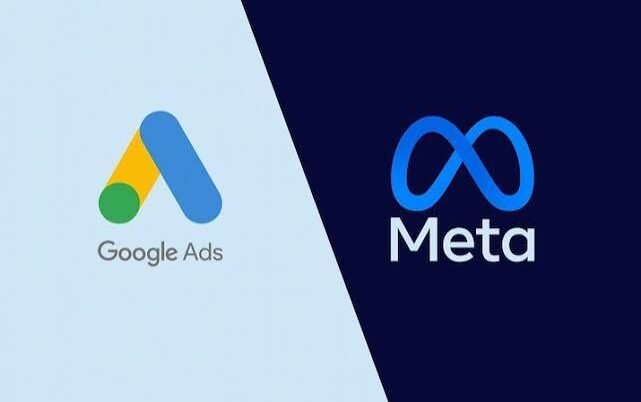
Google Ads vs Meta Ads: Which Is Better for Your Business?

In today’s highly competitive digital marketplace, businesses need more than just a website and social media page to attract customers. Paid advertising has become one of the most effective ways to reach the right audience, generate leads, increase sales, and build brand awareness. Among the many advertising platforms available, Google Ads and Meta Ads are two of the most powerful and widely used options. But an important question remains: Google Ads vs Meta Ads — which one is better for your business? The answer is not as simple as choosing one platform over the other. Both platforms have different strengths, targeting methods, advertising formats, and customer journeys. The best choice depends on your business goals, target audience, budget, product or service, and stage of the buying process. In this article, we will compare Google Ads and Meta Ads, understand how they work, explore their advantages and disadvantages, and help you decide which advertising platform is right for your business. What Are Google Ads? Google Ads is Google’s online advertising platform. It allows businesses to display advertisements across Google’s search engine and other Google-owned properties. One of the most popular forms is Search Ads. These advertisements appear when users search for specific keywords related to a product or service. For example, imagine someone searches: “Best digital marketing agency near me” Businesses targeting keywords related to that search may have their advertisements displayed at the top of the search results. Google Ads can also include: The major advantage of Google Ads is that it can reach people who are actively searching for something. This makes Google particularly powerful for businesses offering products or services that customers already know they need. What Are Meta Ads? Meta Ads are paid advertisements displayed across Meta’s platforms, primarily Facebook and Instagram. Unlike Google Search Ads, Meta Ads are generally not based on what a person is actively searching for. Instead, advertisers use audience characteristics and behavioral signals to reach potential customers. Businesses can target audiences based on factors such as: Meta also offers several advertising formats, including: Because Meta is highly visual, it is especially useful for businesses that can demonstrate their products or services through attractive images and videos. Google Ads vs Meta Ads: The Biggest Difference The most important difference between the two platforms is user intent. Google Ads generally captures existing demand, while Meta Ads can help create or stimulate demand. Think about the following example. A person searches Google for: “Buy running shoes online.” That person already has an intention to purchase running shoes. Google Ads allows a shoe business to appear when that potential customer is searching. Now consider someone scrolling through Instagram. They may see a video showing a stylish pair of running shoes. They were not necessarily planning to buy shoes, but the advertisement may create interest. This represents a fundamental difference: Google Ads = “I am looking for it.” Meta Ads = “I discovered it.” Both can be valuable, but they work differently within the customer journey. Google Ads: Major Advantages 1. High Purchase Intent One of Google’s biggest strengths is search intent. People using Google Search often have a specific problem, question, product, or service in mind. For example: These searches indicate that the user may already be close to taking action. Therefore, Google Ads can be highly effective for lead generation and direct sales. 2. Excellent for Service-Based Businesses Google Ads can be particularly useful for businesses where customers actively search for services. Examples include: If customers are actively searching for your service, Google Ads can help you appear at the right moment. 3. Keyword Targeting Google Ads allows advertisers to target search queries using keywords. For example, a digital marketing agency might target keywords such as: The advertiser can create campaigns designed around these searches. 4. Measurable Results Google Ads provides extensive campaign data. Advertisers can monitor metrics such as: This makes it easier to analyze performance and optimize campaigns. Google Ads: Disadvantages Despite its advantages, Google Ads is not perfect. 1. Can Be Expensive Popular keywords can be highly competitive. Businesses may need to pay more to compete for valuable search terms. The cost depends on factors such as industry, competition, location, keyword demand, and ad quality. 2. Requires Strong Keyword Research Poor keyword selection can result in irrelevant clicks and wasted advertising budget. Advertisers need to understand: 3. Less Effective for Unknown Products If customers do not know that your product exists, they may not search for it. For example, a completely new type of product may benefit more from visual awareness campaigns before search advertising becomes effective. Meta Ads: Major Advantages 1. Powerful Audience Targeting Meta’s major strength is its ability to reach specific audiences based on various characteristics and signals. For example, a fashion business could create campaigns aimed at audiences interested in fashion, beauty, lifestyle, or related topics. This allows businesses to introduce products to people who may be interested even when they are not actively searching for them. 2. Excellent for Brand Awareness Meta Ads are highly effective for increasing brand visibility. A business can show advertisements repeatedly to relevant audiences and gradually build recognition. This is particularly useful for: 3. Strong Visual Advertising Instagram and Facebook are highly visual platforms. Businesses can use: A compelling visual can stop someone from scrolling and encourage them to learn more. 4. Retargeting Opportunities Meta Ads can be particularly useful for remarketing. For example, someone might: Retargeting helps businesses reconnect with people who have already interacted with their brand. Meta Ads: Disadvantages 1. Lower Intent People browsing Facebook or Instagram may not be actively looking for a product. Someone scrolling through Instagram is usually there for entertainment, communication, or content consumption. Therefore, converting them may require stronger creative content and persuasive messaging. 2. Creative Quality Matters A poorly designed advertisement may be ignored. Meta advertising often requires continuous testing of: Creative fatigue can also occur when users repeatedly see the same advertisement. 3. Requires Strong Audience Strategy Choosing the wrong audience
Uncategorized

Content Marketing: Why Valuable Content Drives Business Growth

Content Marketing In today’s digital world, businesses are competing for more than just customers—they are competing for attention. People are constantly exposed to advertisements, social media posts, emails, videos, blogs, and promotional messages. With so much information available, traditional advertising alone is often not enough to convince people to choose one brand over another. This is where content marketing becomes important. Content marketing is a strategic approach to creating and sharing useful, relevant, and valuable content to attract and engage a specific audience. Instead of simply telling people to buy a product or service, content marketing focuses on helping them solve problems, answer questions, learn something new, or make better decisions. When businesses consistently provide valuable content, they can build trust, increase visibility, attract potential customers, and ultimately drive long-term business growth. What Is Content Marketing? Content marketing is the process of creating and distributing content that is valuable to a target audience. The content can take many forms, including blog articles, social media posts, videos, infographics, podcasts, case studies, newsletters, ebooks, guides, and more. The main purpose is not always to make an immediate sale. Instead, content marketing focuses on building a relationship with the audience. For example, imagine a digital marketing agency that wants to attract small business owners. Rather than continuously posting advertisements saying, “Hire our agency,” the agency could publish useful content such as: This type of content demonstrates knowledge and provides value. When business owners repeatedly find useful information from the agency, they are more likely to trust the brand and eventually consider its services. That is the power of content marketing. Why Is Valuable Content Important? Valuable content is important because modern customers are more informed than ever. Before making a purchase, people often search online, compare alternatives, read reviews, watch videos, and look for expert opinions. A business that provides helpful information can become part of this research process. Instead of interrupting customers with advertisements, content marketing allows businesses to meet customers where they are and provide answers to their questions. Good content can help a business: This makes content marketing more than simply a method of publishing articles. It becomes an important part of a complete digital marketing strategy. 1. Valuable Content Builds Trust Trust is one of the most important factors in business growth. Customers are unlikely to purchase expensive products or services from a brand they do not trust. Valuable content gives businesses an opportunity to demonstrate expertise before asking customers to make a purchase. For example, a financial consulting company could publish educational articles explaining budgeting, saving, and financial planning. A fitness brand could create informative videos about exercise techniques and healthy habits. A software company could publish tutorials showing customers how to use its tools effectively. By consistently educating the audience, a business can demonstrate that it understands its customers’ needs. Over time, this creates credibility. When customers see a brand as knowledgeable and helpful, they are more likely to consider its products or services when they are ready to buy. 2. Content Marketing Increases Brand Awareness A great product is not useful if people do not know that the business exists. Content marketing helps brands increase their visibility across different digital platforms. A blog article can appear in search results. A short video can reach thousands of people on social media. An infographic can be shared by users. A helpful Instagram post can introduce a brand to potential customers. Every piece of content creates another opportunity for people to discover a business. For example, a local bakery could create content around cake decoration, birthday cake ideas, wedding desserts, and baking tips. People searching for these topics may discover the bakery even if they were not originally looking for a business. This turns content into a discovery tool. The more useful content a business produces, the more opportunities it has to appear in front of its target audience. 3. Content Supports SEO Search engine optimization, commonly known as SEO, and content marketing are closely connected. Search engines aim to provide users with useful and relevant information. Businesses that consistently create high-quality content can increase their opportunities to rank for relevant search queries. For example, suppose someone searches for: “How to promote a small business on Instagram.” A digital marketing agency that has created a detailed article answering this question has an opportunity to attract that person to its website. Good content can target relevant keywords, answer search intent, provide useful information, and encourage users to explore other pages on a website. SEO-focused content can therefore generate organic traffic without requiring businesses to pay for every visitor. However, successful content should not be created only for search engines. It should primarily be created for people. The best approach is to combine SEO strategy with genuine audience value. 4. Content Generates Quality Leads Not every website visitor is ready to purchase immediately. Some people may only be researching a problem. Others may be comparing different solutions. Some may not even know exactly what product or service they need. Content marketing helps businesses attract people at different stages of the customer journey. For example: Awareness stage:A person searches for “What is SEO?” Consideration stage:They search for “Best SEO strategies for small businesses.” Decision stage:They search for “SEO agency for small businesses.” A business can create different types of content for each stage. Educational content can attract people at the awareness stage. Detailed guides and comparisons can support people during consideration. Case studies, testimonials, service pages, and product demonstrations can help people make purchasing decisions. This approach helps businesses attract more qualified leads. 5. Content Educates Customers Sometimes customers do not purchase because they do not understand the value of a product or service. Content can solve this problem. Businesses can use videos, blogs, tutorials, FAQs, demonstrations, and guides to explain complicated ideas in simple language. For example, a cybersecurity company may offer advanced security solutions, but potential customers may not understand why they need them. Through educational content, the company

Uncategorized

Social Media Marketing: How to Build a Strong Online Presence

In today’s digital world, having an online presence is no longer optional for businesses. Customers search for brands online, discover products through social media, watch reviews and videos, compare different businesses, and often make purchasing decisions based on what they see on digital platforms. This has made social media marketing one of the most important parts of a modern digital marketing strategy. Social media gives businesses an opportunity to communicate directly with their target audience, showcase their products and services, build credibility, create communities, and generate leads and sales. However, simply creating an Instagram or Facebook account and posting occasionally is not enough to build a strong online presence. A successful social media presence requires strategy, consistency, creativity, audience understanding, and continuous improvement. In this blog, we will explore what social media marketing means, why it matters, and the practical steps businesses can take to build a strong and professional online presence. What Is Social Media Marketing? Social media marketing is the process of using social media platforms to promote a brand, product, service, or personal brand while building relationships with a target audience. Popular platforms include: Each platform has its own audience, content formats, and communication style. For example, Instagram is highly visual and works well for Reels, carousels, Stories, and visual branding. LinkedIn is more focused on professional networking, industry insights, business content, and career-related communication. YouTube is particularly powerful for long-form and educational video content. Therefore, businesses should not simply copy the same content across every platform. A good social media strategy considers the audience, platform, business objectives, and type of content that works best in each environment. Why Is Social Media Marketing Important? Social media can help businesses achieve several important marketing goals. 1. Increase Brand Awareness Social media allows businesses to introduce themselves to potential customers. A consistent presence helps people recognise your brand, understand what you offer, and remember your business. For example, a local bakery can share cake designs, customer experiences, behind-the-scenes content, special offers, and educational posts about baking. Over time, people may begin associating the brand with quality and expertise. 2. Build Customer Relationships Social media is not just a broadcasting channel. It is a communication platform. Customers can comment on posts, send direct messages, participate in polls, ask questions, and share their experiences. Responding to customers can make a brand feel more approachable and trustworthy. 3. Drive Website Traffic Social media can direct users to a business website, blog, portfolio, product page, or landing page. A useful post can encourage people to learn more through a website. 4. Generate Leads and Sales Social media can support the customer journey from awareness to consideration and eventually purchase. Businesses can use educational content, testimonials, demonstrations, offers, and calls to action to encourage potential customers to take the next step. 5. Build Credibility A professional and active social media presence can demonstrate expertise. Sharing useful information, customer results, industry knowledge, and authentic experiences can help establish credibility. Step 1: Define Your Target Audience One of the biggest mistakes businesses make is trying to create content for everyone. A strong social media strategy starts with understanding exactly who you want to reach. Ask questions such as: For example, a business selling professional career services may target university students and young professionals. Its content could focus on career advice, interview preparation, personal branding, and skill development. Understanding the audience makes content creation much easier. Instead of asking: “What should I post today?” you can ask: “What does my audience need today?” That small change can make a significant difference. Step 2: Choose the Right Social Media Platforms You do not need to be active on every platform. Trying to manage five or six platforms without sufficient time or resources can result in inconsistent content. Choose platforms based on your audience and business objectives. Instagram Useful for visual branding, Reels, Stories, product showcases, personal brands, and community engagement. Facebook Useful for communities, local businesses, advertisements, groups, and reaching established audiences. LinkedIn Useful for B2B marketing, professional branding, networking, thought leadership, and career-related content. YouTube Useful for tutorials, educational videos, product demonstrations, interviews, reviews, and long-form content. TikTok Useful for short-form, creative, entertaining, educational, and trend-driven content where the platform is relevant to the target audience. The best platform is not necessarily the most popular one. It is the platform where your target customers are active and where your business can consistently create valuable content. Step 3: Create a Strong and Professional Profile Your social media profile is often the first point of contact between your brand and a potential customer. A professional profile should communicate who you are and what you offer quickly. Important elements include: For example, instead of writing a vague bio such as: “Helping people online.” a digital marketer could write: “Freelance Digital Marketer | SEO | Social Media | Paid Ads | Helping businesses grow online.” A visitor should understand your purpose within a few seconds. Step 4: Develop a Content Strategy Random posting rarely produces consistent results. A content strategy gives your social media activity direction. A useful approach is to create several content pillars. For a digital marketer, content pillars could include: Educational Content Share useful information about SEO, social media, advertising, branding, content marketing, and analytics. Personal Content Share your learning journey, experiences, achievements, challenges, and professional lessons. Engagement Content Ask questions, conduct polls, create quizzes, and encourage conversations. Portfolio Content Showcase completed projects, designs, campaigns, or case studies. Promotional Content Introduce your services, offers, packages, or consultations. Having different content pillars prevents your profile from becoming repetitive. Step 5: Focus on Value-Driven Content One of the most important principles of social media marketing is providing value. People do not follow businesses simply because they want to see advertisements. They follow accounts because the content gives them something useful, interesting, inspiring, educational, or entertaining. Value can take different forms. Educational Value Teach people something they did not know. Practical Value Give them actionable tips. Inspirational Value Share stories

Uncategorized

SEO Explained: How Search Engines Help Businesses Grow

Best 1 Search Engines Help Businesses Grow In today’s digital world, people often turn to search engines when they need information, products, services, or solutions. Whether someone is looking for a restaurant, a digital marketing agency, a clothing store, a course, or a nearby service provider, search engines can help them discover what they need. For businesses, this creates an important opportunity. If your website appears when potential customers search for something related to your products or services, you can attract valuable visitors without depending entirely on paid advertising. This is where Search Engine Optimization, or SEO, becomes important. SEO is one of the most powerful long-term digital marketing strategies for improving online visibility. It helps businesses make their websites easier for search engines to understand and more useful for people who visit them. But SEO is much more than adding keywords to a website. It involves understanding customer behaviour, creating valuable content, improving website performance, building credibility, and continuously adapting to changes in search technology. In this blog, let’s explore what SEO means, how search engines work, why SEO matters for businesses, and how a strong SEO strategy can contribute to sustainable growth. What Is SEO? SEO stands for Best 1 Search Engines Help Businesses Grow. It is the process of improving a website and its content to increase its visibility in search engine results for relevant searches. Imagine that you own a digital marketing business in Kerala. A potential customer searches for: “freelance digital marketer in Kerala.” There may be hundreds or thousands of pages related to digital marketing. Search engines need to determine which results are most useful for the person performing the search. SEO helps your website provide clear signals about what it offers and why its content may be useful. The objective is not simply to get more website visitors. The real objective is to attract relevant visitors who are genuinely interested in what your business provides. For example, 1,000 visitors who have no interest in your services may be less valuable than 100 visitors who are actively looking for those services. This is why effective SEO focuses on visibility, relevance, usefulness, and user experience. Before understanding SEO, it is helpful to understand how search engines generally work. How Do Search Engines Work? Search engines use automated systems to discover, organise, and evaluate web pages. Three important concepts are: Crawling Search engines use automated programs, often called crawlers or bots, to discover web pages and follow links between pages. When a search engine discovers a website, it can examine its pages and understand the information available on them. Indexing After discovering a page, a search engine can process and store information about it in its index. The index is essentially a massive collection of information about web pages that a search engine may consider when responding to searches. Ranking When someone performs a search, the search engine evaluates relevant pages and determines which results are most appropriate for that particular query. Many factors can influence how pages perform in search results. This is why SEO is not about finding one secret trick. It is about improving many aspects of a website and its content. Why Is SEO Important for Businesses? SEO can provide businesses with several important benefits. 1. Increased Online Visibility One of the biggest benefits of SEO is improved visibility in search results. When your website appears for relevant searches, more potential customers can discover your business. For example, a bakery that creates useful content around cakes, birthday cakes, wedding cakes, and local delivery may have opportunities to appear for searches related to those products. Greater visibility can create more opportunities for website visits, enquiries, and sales. 2. Attracting Targeted Traffic Not all website traffic has the same value. SEO can help businesses attract people who are actively searching for information related to their products or services. For example, someone searching for: “how to choose a digital marketing agency” may be researching a future purchase. Someone searching for: “digital marketing agency near me” may have even stronger commercial intent. Understanding search intent helps businesses create content that matches what users are actually looking for. 3. Building Credibility and Trust People often associate strong search visibility with credibility, although appearing prominently in search results does not by itself guarantee that a business is trustworthy. A professional website with helpful content, clear information, positive customer experiences, and a strong online presence can help establish confidence. Businesses can build credibility through: SEO and brand trust can therefore work together. 4. Generating Long-Term Traffic Paid advertising can provide immediate visibility while the campaign is active. SEO can create opportunities for ongoing organic traffic. A useful article may continue attracting visitors from search engines long after it is published. For example, suppose a digital marketer writes an article called: “10 SEO Mistakes Small Businesses Should Avoid.” If the article provides useful information and performs well in search, it may continue attracting relevant visitors over time. This does not mean SEO produces permanent rankings. Search results can change, competitors can improve, and search engines can update their systems. However, high-quality SEO can create a valuable long-term traffic channel. 5. Reducing Dependence on Paid Advertising Advertising can be an effective part of digital marketing, but businesses may not want to rely entirely on paid traffic. SEO provides another way to attract potential customers. A balanced digital marketing strategy may combine: Each channel can serve a different purpose. SEO can support long-term organic visibility, while paid advertising can provide additional reach and immediate campaign opportunities. The Main Types of SEO SEO is a broad field. It can be divided into several important areas. 1. On-Page SEO On-page SEO focuses on elements that exist on individual web pages. This can include: The purpose is to make the page understandable and useful for both users and search engines. For example, if you are writing an article about social media marketing, the page should clearly explain the topic rather than repeatedly inserting the

The Future of Digital Marketing
Uncategorized

The Future of Digital Marketing: Trends Every Marketer Should Know

The Future of Digital Marketing is changing faster than ever. New technologies, social media platforms, customer expectations, search behaviours, and communication channels are continuously transforming the way businesses connect with their audiences. What worked for a brand a few years ago may not deliver the same results today. For marketers, this constant change creates both challenges and opportunities. Businesses are no longer competing only for customers; they are also competing for attention. People are exposed to thousands of messages every day, making it increasingly important for brands to create relevant, useful, authentic, and memorable experiences. The Future of Digital Marketing will not be defined by one platform or one technology. Instead, it will be shaped by the combination of artificial intelligence, data, creativity, personalisation, video, search, social media, automation, and human connection. Understanding these trends can help marketers prepare for the future and create strategies that are more effective, customer-focused, and adaptable. What Is the Future of Digital Mar The Future of Digital Marketing is moving towards a more intelligent, personalised, interactive, and customer-centric approach. Traditional digital marketing often focused on reaching as many people as possible. Modern marketing is increasingly focused on reaching the right people with the right message at the right moment. Technology makes this possible by helping businesses understand customer behaviour, predict interests, automate repetitive tasks, and deliver personalised experiences. However, technology alone will not guarantee success. Consumers still value creativity, trust, authenticity, empathy, and meaningful communication. The marketers who succeed in the future will be those who know how to combine technological capabilities with human creativity and strategic thinking. 1. Artificial Intelligence Will Transform Marketing Artificial intelligence is one of the biggest developments influencing digital marketing. AI can help marketers with research, content ideas, data analysis, customer segmentation, campaign optimisation, automation, and personalisation. For example, marketers can use AI-assisted tools to generate content ideas, analyse large amounts of marketing data, identify patterns, create variations of advertisements, and support customer service through chatbots. AI can also help businesses understand customers more effectively. Instead of treating every customer in exactly the same way, businesses can use data to provide more relevant recommendations and communication. However, AI should not replace human thinking. AI-generated content may be fast, but marketers still need to check facts, understand context, maintain brand personality, and make strategic decisions. The future is not simply AI replacing marketers. It is more likely to be marketers using AI to become more efficient and creative. 2. Personalisation Will Become More Important Customers increasingly expect brands to understand their needs. Generic marketing messages are less effective when consumers receive hundreds of advertisements and promotional messages every day. Personalisation allows businesses to create experiences based on customer interests, behaviour, preferences, and previous interactions. For example, an online store may recommend products based on what a customer has previously viewed. An email campaign can provide different content to different customer segments. A website can highlight information that is more relevant to a visitor. Personalisation can make customers feel understood rather than treated as just another number. However, personalisation must be balanced with privacy and transparency. Businesses need to use customer data responsibly and respect people’s expectations regarding how their information is collected and used. The future of personalisation will therefore depend on both technology and trust. 3. Short-Form Video Will Continue to Grow Short-form video has become one of the most powerful formats for digital communication. Platforms such as Instagram, YouTube, and other social networks have made short videos an important part of everyday content consumption. Short videos can communicate an idea within seconds and are particularly effective for: Businesses do not necessarily need expensive equipment to benefit from video marketing. A smartphone, good lighting, clear audio, and a strong idea can be enough to begin. The key is to capture attention quickly and provide value. In the future, successful video marketing will not simply be about making videos. It will be about creating videos that people actually want to watch, share, save, and discuss. 4. Search Is Changing Search behaviour is evolving. People are no longer using search engines only by typing short keywords. They are increasingly using conversational questions, voice searches, visual searches, social platforms, and AI-powered tools to discover information. This means marketers need to think beyond traditional keyword optimisation. Instead of focusing only on individual keywords, businesses should create comprehensive content that answers the questions their audiences are asking. For example, instead of writing an article simply targeting the phrase “digital marketing,” a marketer could create useful content answering: This approach creates content that is useful across different search experiences. Search optimisation will increasingly require marketers to understand search intent, not just keywords. 5. Social Media Will Become More Community-Focused Social media has evolved from a place where people simply share updates into a major communication and business platform. In the future, successful brands will focus less on simply collecting followers and more on building communities. A large follower count does not automatically mean a business has a successful social media strategy. A smaller audience that actively comments, shares content, asks questions, recommends a brand, and trusts the business can be much more valuable. Brands can build communities through: Social media will increasingly become a space where brands and customers communicate rather than simply a place where businesses publish advertisements. 6. Authenticity Will Matter More Than Perfection Consumers are becoming more aware of highly edited advertisements and artificial-looking content. As AI-generated content becomes more common, genuine human communication may become even more valuable. People want to understand who is behind a business. This is why storytelling, behind-the-scenes content, personal experiences, customer stories, and honest communication can make brands more relatable. For personal brands and freelancers, authenticity is especially important. Sharing your learning journey, challenges, achievements, mistakes, and professional experiences can help audiences connect with you. A perfect brand may look impressive, but an authentic brand can feel trustworthy. The future of marketing will therefore require a balance between professional presentation and genuine human connection. 7.

Scroll to Top